



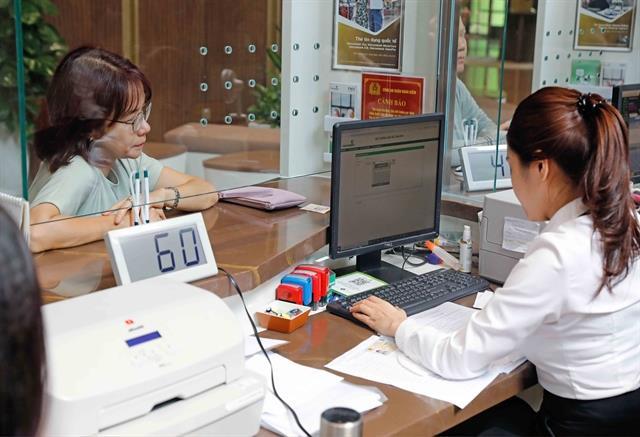



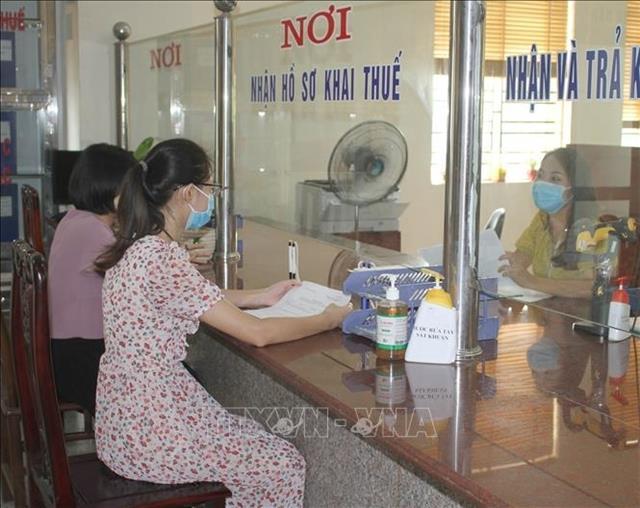
The Ministry of Finance has proposed a risk-based taxpayer classification system while reaffirming requirements for banks to share account information with tax authorities to strengthen compliance, transparency and tax administration.
According to the department, statistics show that more than 50 per cent of taxpayers classified as “not operating at registered addresses” currently owe less than VNĐ1 million.
Researching and gradually implementing tax management based on cash flow analysis is becoming an inevitable trend among many modern tax authorities around the world.
Việt Nam’s tax authority has launched a nationwide drive to clean up tax data, speed business closures and tackle inactive firms to improve transparency and efficiency.
The Cần Thơ City tax department is stepping up digital transformation efforts, focusing on the expansion of the eTax Mobile application and electronic invoices as part of a broader push to modernise tax administration and improve the regime.
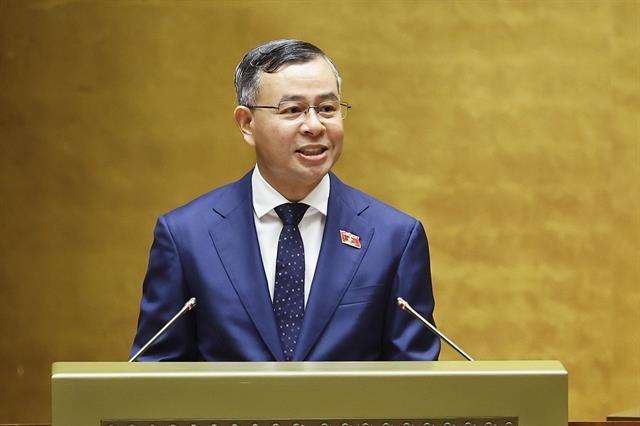
Minister of Finance Ngô Văn Tuấn has called on the Department of Taxation to apply AI and big data to improve tax management while ensuring tax collection maintains public trust, as the government pursues ambitious revenue targets.
The White Book provides a comprehensive overview of Việt Nam’s current tax system in line with international practices, including direct taxes, indirect taxes and sector-specific levies.
The survey, conducted between February and April 2026 with more than 1,000 household businesses across 34 provinces and cities, paints a far from optimistic picture.
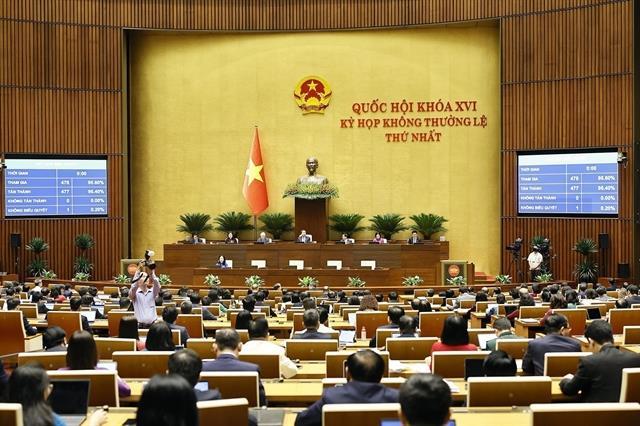
The revised law, which amends provisions in personal income tax, value-added tax, corporate income tax and special consumption tax legislation, was passed with 466 out of 488 participating deputies voting in favour.
Lawmakers back raising the tax-free threshold for household businesses to VNĐ1 billion, while calling for clearer rules, safeguards against abuse and greater policy transparency.
VGTA proposed allowing jewellery producers to borrow gold from individuals at negotiated interest rates under civil law, arguing that such a mechanism would help unlock significant gold reserves held by the public and stabilise input supply.
Under the draft law, the Ministry of Finance proposes that the tax exemption threshold for business households and individual businesses be raised to VNĐ1 billion per year from the current VNĐ500 million.